
Every trade a franchise locks in before the mini auction pulls a player straight out of the pool, and no other team ever gets a chance to bid for him.
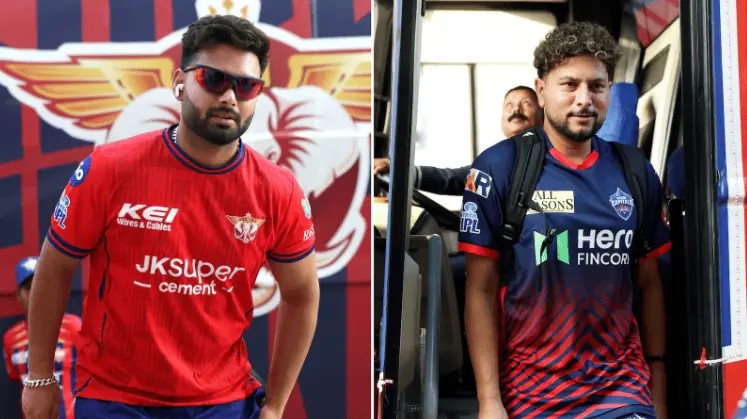
That single fact reshapes who’s actually available on auction day. Ahead of IPL 2027, the swap between Delhi Capitals and Lucknow Super Giants involving Rishabh Pant and Kuldeep Yadav shows exactly how this works. Add the fact that mini auction years have no Right to Match (RTM) card, and trades become each team’s real safety net. Here’s how it plays out.
What a Pre-Auction Trade Actually Removes From the Pool
Once the IPL Governing Council signs off on a trade, the player moves onto his new franchise’s squad list immediately. He skips the auction completely.
That’s the whole mechanic in one line. Pre-auction trades work outside the bidding system, so the pool other teams see on auction day is already smaller than the full registration list suggests.
Two conditions have to be met first. The player needs to already be under a retained contract with his current franchise, and he has to give his consent. Franchises technically hold the final call on release, but ignoring a player’s wishes rarely ends well. Just ask Ravindra Jadeja, who picked up a year-long ban in 2010 after trying to force a move to Mumbai Indians without sorting his Rajasthan Royals contract first.
Players already released into the open pool can’t use the trade route anymore. Once that happens, they’re stuck bidding it out with everyone else.
Every trade completed before the auction directly impacts the available player pool, remaining purse, and bidding strategy for all ten franchises heading into the bidding room. The IPL Mini Auction 2027 is expected to feature a significantly altered player pool after confirmed swaps like the Rishabh Pant-Kuldeep Yadav deal between DC and LSG, with more trades likely to follow before the December deadline. Understanding which players have already moved through trades is essential for predicting which franchises will bid aggressively and which gaps remain to be filled at the auction table.
Why Trades Carry More Weight in a Mini Auction Year
Mega auctions hand teams an RTM card, so releasing a player isn’t necessarily final. If a rival wins the bid, the original franchise can still match it and keep him.
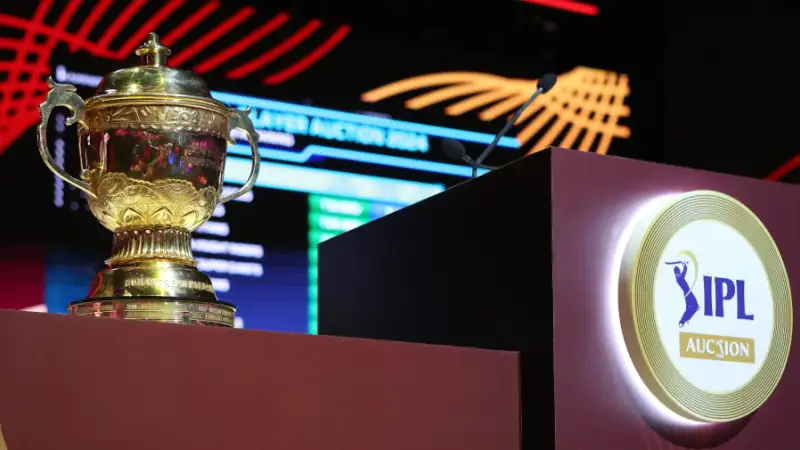
Mini auctions don’t work that way. The IPL 2026 auction on December 16 in Abu Dhabi ran with zero RTM cards, and IPL 2027 is expected to follow the same format since it’s a mini auction year too.
That single rule change flips team behaviour. Once a player is released for the open pool in a mini auction year, he’s gone for good unless every other franchise loses interest before the hammer falls. So instead of gambling on the auction floor, smart franchises trade first and lock the outcome in while they still control it.
How a Trade Reshapes a Team’s Auction Purse
A trade doesn’t cost what it looks like it costs. The buying team’s purse drops only by the player’s existing salary, not the full amount changing hands between franchises.
That gap matters more than it sounds. Transfer fees are negotiated privately and never show up in the IPL’s official purse accounts.
A richer franchise can pay well above market rate for a player without that showing up as a dent in the purse tracker fans watch on auction day.
Player Swaps vs Cash-Only Deals
- Player swap: two franchises exchange players outright, and whichever side gave up the pricier name gets paid the difference in cash.
- All-cash trade: one franchise pays the other side’s asking price, and the player switches teams on his own, the way Mohammed Shami’s move from SRH to LSG for ₹10 crore worked.
The Pant-Kuldeep move is a swap. LSG let Pant go for a reduced ₹15 crore fee, well below the record ₹27 crore they paid for him at the 2025 mega auction, while picking up Kuldeep Yadav at his existing price. On paper, that leaves LSG roughly ₹13.5 crore better off in purse terms, with Delhi Capitals absorbing a much smaller deduction in return.
Confirmed and Rumoured Trades Ahead of IPL 2027
Only one deal is locked in as of this writing. Everything else below is reported interest, not an official announcement, so treat it accordingly.
| Player | Move | Status | What It Means |
| Rishabh Pant | LSG → DC | Confirmed | Returns to Delhi at a cut-price ₹15 crore, nine seasons after he first debuted there. |
| Kuldeep Yadav | DC → LSG | Confirmed | Moves to Lucknow at his existing price as part of the same swap. |
| Hardik Pandya | MI exit rumoured | Rumoured | Both KKR and Rajasthan Royals are reportedly interested suitors. |
| Yashasvi Jaiswal | RR → MI (rumoured) | Rumoured | Reportedly floated as part of a deal to bring Pandya to Rajasthan. |
| Sam Curran / Romario Shepherd | RCB ↔ RR (rumoured) | Rumoured | A straight all-rounder swap is reportedly under discussion. |
| Suryakumar Yadav | MI, rumoured KKR interest | Rumoured | KKR are reportedly eyeing him as a future leadership option. |
The 2026 Blueprint: Samson, Jadeja and Curran
IPL 2026 already showed how this plays out at scale. Rajasthan Royals traded Sanju Samson to Chennai Super Kings, and got Ravindra Jadeja and Sam Curran back in a three-player swap.
That one deal instantly pulled the most sought-after keeper-batter off the market. Had Samson gone to the open auction instead, several franchises chasing a top-order keeper would’ve driven his price well past his prior valuation. And because there’s no RTM in a mini auction year, RR couldn’t have reclaimed him if they’d lost that bidding war. Trading first meant they never had to find out.
Which Player Categories Thin Out First
Not every trade hits the pool evenly. Certain roles disappear faster than others simply because the open market doesn’t offer many real alternatives.
- Keeper-batters: only a handful of proven names exist per cycle, so one trade can wipe out a third of the realistic options.
- Death-over specialists: teams chasing a genuine finisher or yorker bowler would rather trade for a known quantity than gamble on the auction floor.
- All-rounders with a spare overseas slot: these get snapped up early since they solve batting depth and bowling cover in one signing.
- Proven captains: franchises rebuilding their leadership group increasingly trade for experience instead of hoping the right candidate falls to them at auction.
IPL 2027 Trade Window and Mini Auction Timeline
The BCCI hasn’t formally confirmed every date yet, so treat the later milestones as provisional until officially announced.
| Milestone | Expected Timing | Status |
| Trade window opens | Late June 2026 | Confirmed, opened as scheduled |
| Pre-auction window closes | Second week of December 2026 | Provisional |
| Mini auction | Mid-to-late November or December 2026 | Tentative, exact date and venue unconfirmed |
| Post-auction trade window reopens | Immediately after the auction | Standard pattern |
| Post-auction window closes | Roughly a month before IPL 2027 begins | Provisional |
| IPL 2027 season starts | Late March 2027 | Expected, following the usual calendar |
Conclusion: Pre-auction trades aren’t side news while everyone waits for the real auction.
Pre Auction Trades are the event quietly deciding what that auction looks like.
Every swap or cash deal removes a name, resets a purse, and forces the remaining nine teams to rethink their targets. With the IPL 2027 window open until roughly mid-December and the mini auction likely to follow soon after, expect the confirmed list to keep growing before bidding even starts.
Frequently Asked Questions
No. Only players currently under a retained contract with their franchise are eligible. Anyone already released into the open pool has to go through bidding instead.
Not exactly. The purse only takes a hit equal to the player’s existing salary. The extra transfer fee is settled privately between franchises and doesn’t show up in the official purse numbers.
Going by how mini auction years have worked since 2026, RTM is unlikely to return. The BCCI hasn’t issued a final ruling for 2027 yet, so it’s worth double-checking closer to auction day.
The player simply stays on his current franchise’s retained list, or gets released into the open auction pool if the team decides not to keep him anyway.